




One Song, One Refresh: Desk-Friendly Motion That Resets Your Day

In just one favorite track, we’re exploring desk-friendly mobility breaks timed to one song, turning a three to five minute listen into posture relief, sharper concentration, and a brighter mood. No outfit change, no mat, just structured movement synced to music you already love, inviting your breath, joints, and attention to flow together effortlessly while your to-do list waits patiently for your newly energized return.

Why a Single Track Powers Big Results

Your brain thrives on short, rhythmic bursts of novelty, and a single track provides a perfect boundary: clear start, predictable arc, and satisfying finish. Aligning movement to music leverages entrainment, synchronizing breath, tempo, and attention. The fixed duration protects deep work from sprawling breaks, delivering oxygen, joint nourishment, and mood elevation exactly when needed, without derailing momentum, compromising schedules, or inviting distracting detours that drain valuable cognitive energy.

Choosing the Right Song: Tempo, Length, and Feel

Tempo That Matches Joints

Slower tempos highlight breath-led spinal articulation, neck glides, and wrist circles with mindful control. Mid-tempo grooves suit shoulder CARs, thoracic extensions, and seated hip openers. If a track is faster, reserve it for marching feet, ankle pumps, and eye-focus drills, maintaining clean range rather than chasing speed or sloppy compensations, while keeping your breathing steady, lips softly sealed, and jaw at ease.

Length That Fits Meetings

Three-minute tracks slip neatly between back-to-back calls, while four minutes allow a full verse-chorus-bridge structure to map your sequence. Shorter than that, and you might rush; longer, and you risk losing momentum. Consistent length helps your nervous system expect closure exactly as the outro fades, leaving you gently alert, organized, and perfectly prepared to re-engage difficult tasks.

Cues Hidden in Lyrics and Structure

Let the first verse anchor setup and gentle exploration; hit the chorus with larger patterns like shoulder rolls or seated figure-fours; use the bridge for breathing, eye resets, and posture checks. Repeated hooks become reliable anchors, so you move automatically without constantly checking a timer or list, turning music into a friendly coach that never interrupts your flow.

A Four-Minute Sequence You Can Do Without Leaving Your Chair

Here is a proven flow that maps naturally to a typical pop track. Maya, a product designer, used it for two weeks and reported fewer afternoon headaches and faster coding sprints. The structure builds from breath and small joints to hips, then finishes with posture, so you re-enter work taller and clearer, without sweat, equipment, or awkwardness in tight, highly visible office spaces.

Ergonomics, Breath, and Posture Working Together

A quick mobility burst matters more when your setup cooperates. Pair the routine with micro-adjustments: chair height so hips sit slightly above knees, screen at eye level, feet grounded. Layer nasal breathing and relaxed shoulders throughout. The combination disperses load, calms the nervous system, and sustains better alignment long after the music fades, protecting energy, creativity, and the capacity to focus deeply.

Adaptations for Any Workspace and Body

Open-plan office, tiny café table, wheelchair, or standing desk—this approach flexes. You can run it silently, minimize arm travel, or emphasize eyes and breath when space is tight. Prioritize comfort, respect pain signals, and treat ranges like invitations. The goal is relief and clarity, not intensity or perfect choreography, so the ritual remains welcoming on stressful, crowded, or unpredictable days.

Silent Options for Open Offices

Skip big shoulder circles in favor of isometric squeezes, scapular slides, seated pelvic tilts, and ankle motions under the desk. Eye drills and breath work stay nearly invisible. Choose instrumentals or bone-conduction headphones if sound is an issue, and let the track’s structure quietly guide your pace without calling attention or breaking professional presence.
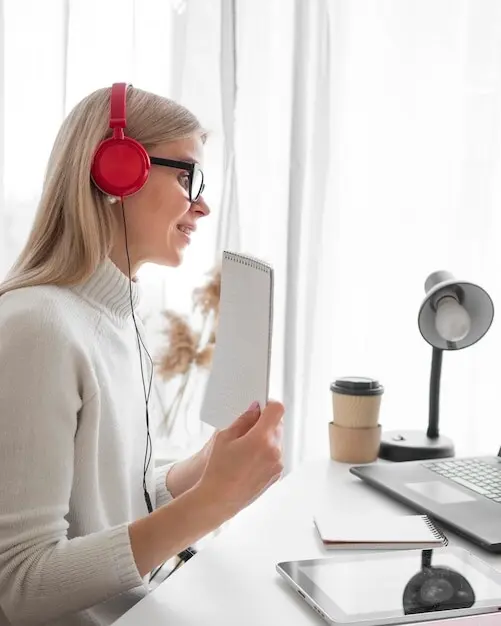
Camera-On Friendly Moves During Calls

Keep your torso mostly squared to the camera while gently gliding the neck, performing wrist circles below frame, and shifting weight through your feet. Look slightly off-screen for near-far focus without appearing distracted. Use a subtle exhale rhythm that reads as calm presence rather than obvious exercise, preserving rapport while still caring for your body.

Accessible Variations from Wheelchair or Stool

Lead with breath, neck glides, and eye focus drills. Use supported shoulder rotations, elbow spirals, and forearm variations tailored to comfort. For hips, try gentle pelvic tilts and abdominal bracing with coordinated breathing. Emphasize control over range, and let music timing provide satisfying progression and closure every session, celebrating consistency more than depth or display.

Build the Habit: Playlists, Prompts, and Community

Rituals stick when they are obvious, attractive, easy, and satisfying. Tie your break to calendar alerts, the top of each hour, or meeting endings. Build a rotating playlist by mood or BPM. Track streaks, invite teammates, and celebrate tiny wins. One song, repeated daily, reshapes afternoons dramatically, turning restless slumps into buoyant, focused, and sustainable productivity.
Nexodarisento
Privacy Overview

This website uses cookies so that we can provide you with the best user experience possible. Cookie information is stored in your browser and performs functions such as recognising you when you return to our website and helping our team to understand which sections of the website you find most interesting and useful.